Glass skin isn't a filter or a product — it's the result of consistently layering hydration and protecting your skin barrier over weeks. This 6-step Korean glass skin routine uses products available on Amazon for under $25 each. All links are affiliate links to our recommended products.
Glass skin is the most searched K-beauty term globally, and for good reason — the results are real. The key insight is that glass skin isn't about any single product. It's about layering thin, hydrating products one after another so your skin is deeply saturated with moisture. Think of it like watering a plant: a little every day beats flooding it once a week.
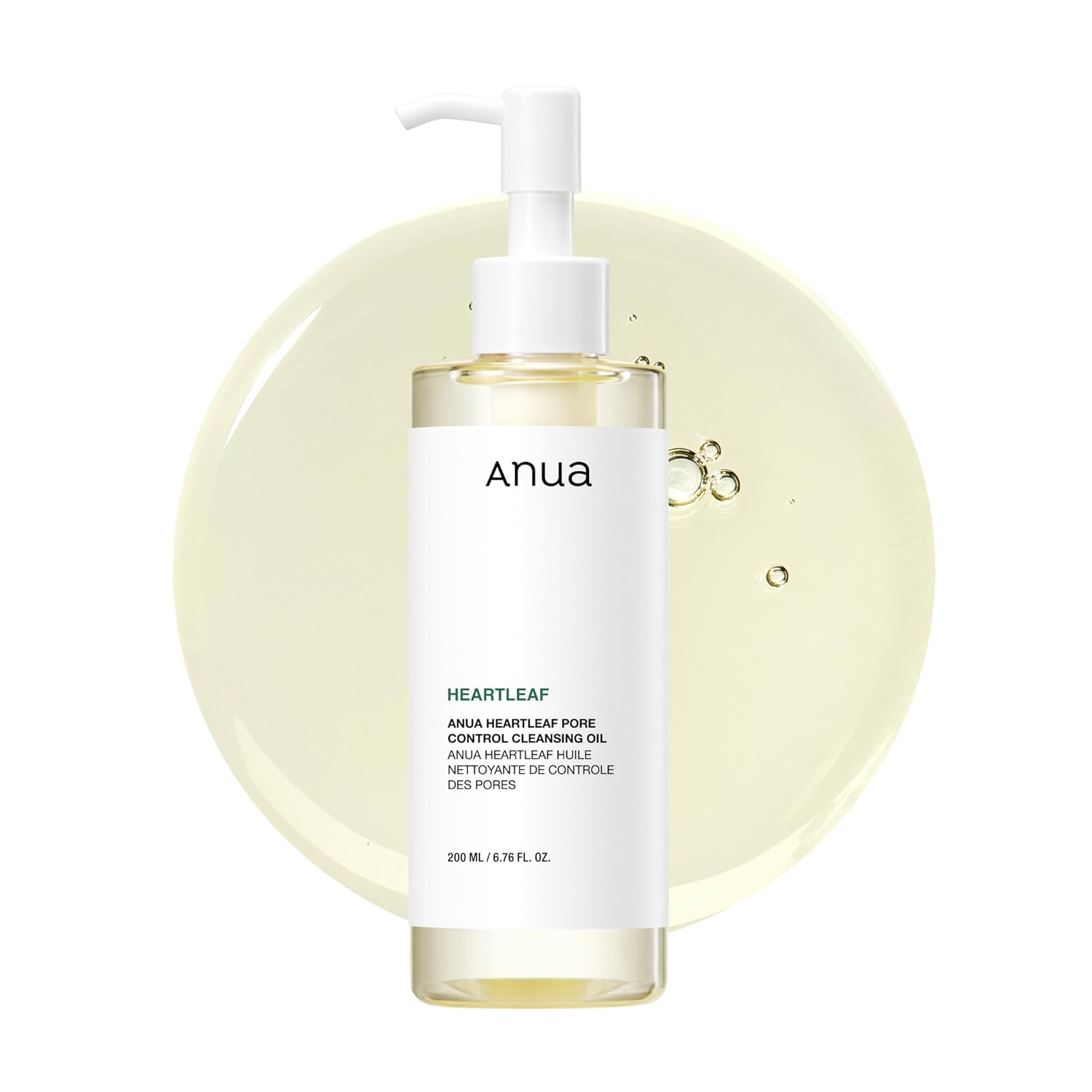
Glass skin starts with a completely clean canvas. Oil cleansing is the Korean method of removing SPF, makeup, and the day's pollution using an oil-based cleanser before your water cleanser. Oil dissolves oil — so it lifts sunscreen and sebum far more effectively than water cleansers alone.
The Anua Heartleaf Oil is the current TikTok favorite for good reason: it's gentle, non-comedogenic, and rinses completely clean. No greasy residue, no breakouts.
Massage 2–3 pumps onto dry skin for 30–60 seconds. Add a little water to emulsify (it turns milky white). Rinse thoroughly.
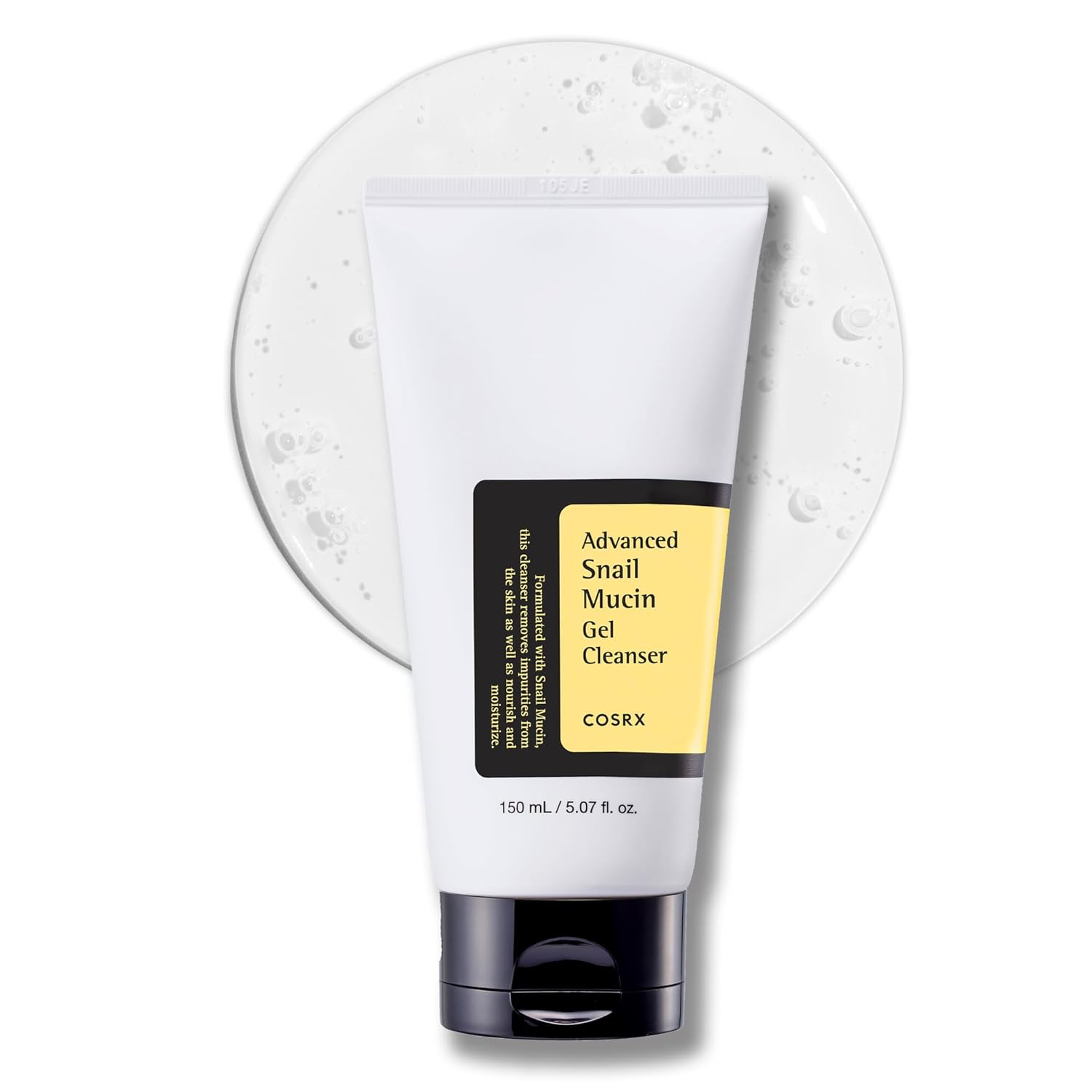
The water cleanser is the second step at night and the only cleanse in the morning (you don't need oil cleansing in the AM — you haven't worn SPF or makeup while sleeping). The key is using a pH-balanced formula. Most Western cleansers are too alkaline (pH 8–10) which strips the skin's acid mantle — the protective barrier that keeps skin plump and glass-like.
Pump a small amount onto wet hands. Work into a gentle lather on wet skin. Rinse with lukewarm water — never hot.
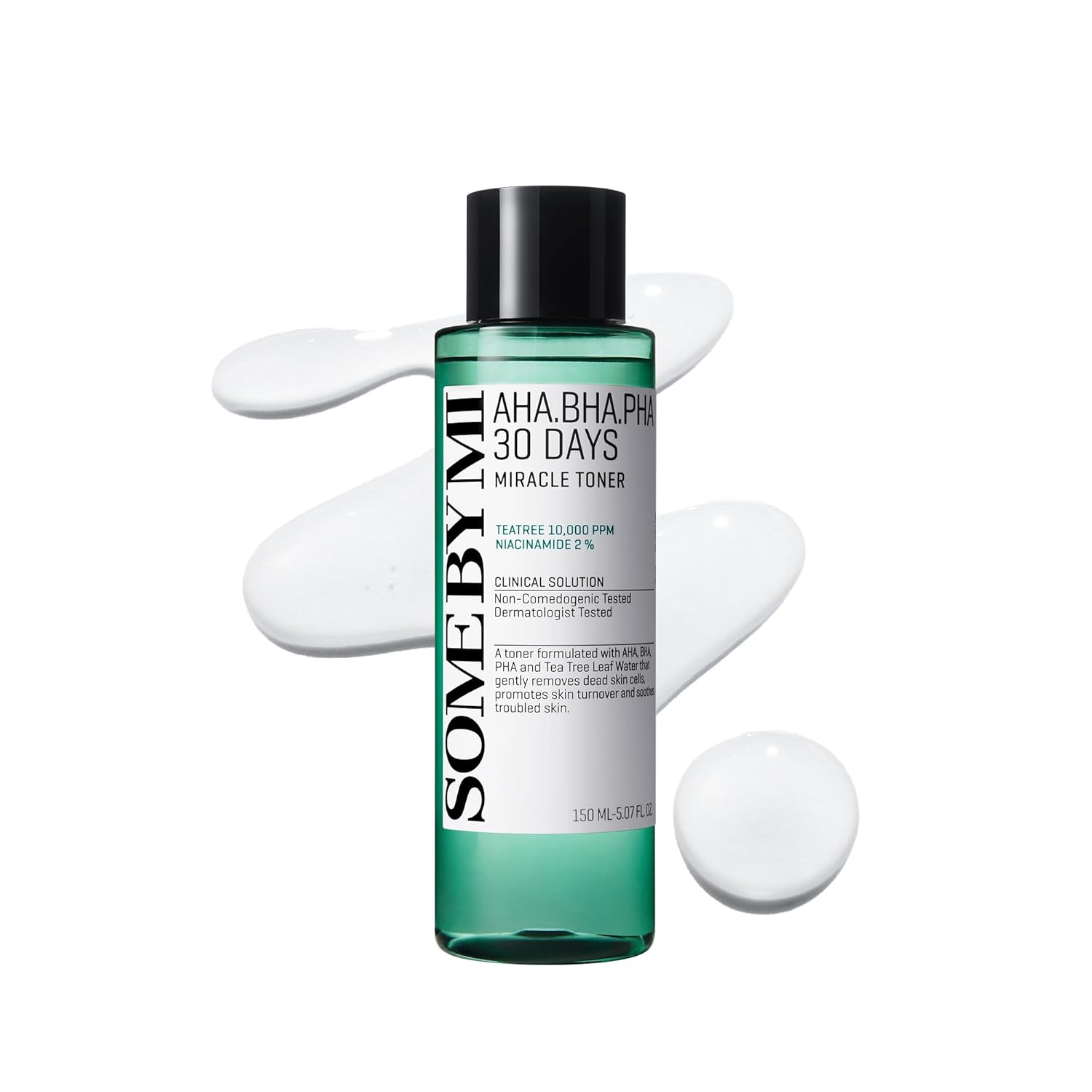
Dead skin cells are the enemy of glass skin — they create the dull, rough texture that prevents light from reflecting evenly. This toner's triple acid formula gently dissolves dead skin cells and clears pores without physical scrubbing. The result after 4 weeks: visibly smoother texture and significantly more luminous skin.
Do not use this every night. 3–4 times per week gives your skin time to recover and renew properly.
Apply to clean skin with a cotton pad, sweeping gently across face. Do not rinse. Follow immediately with essence and moisturizer.
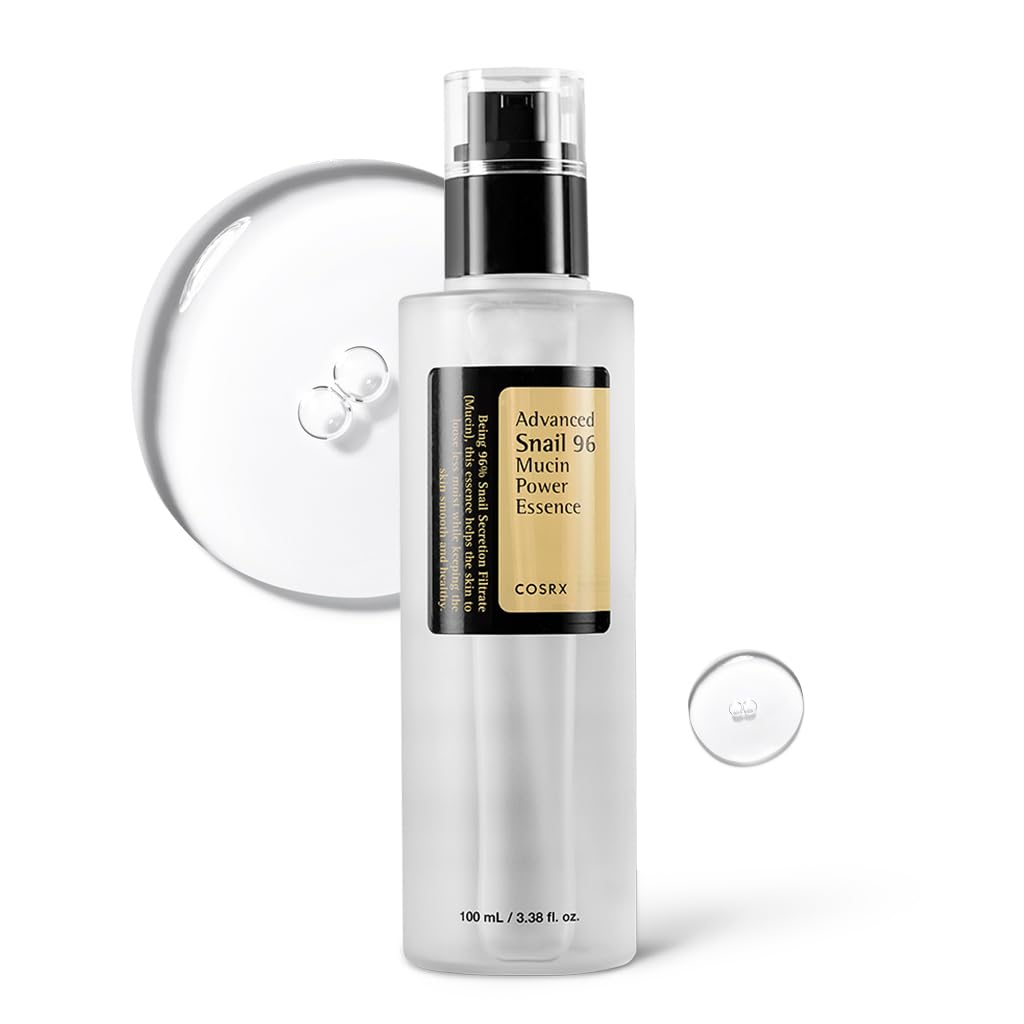
This is the heart of the glass skin routine. The essence step — a lightweight watery or gel-like treatment applied before moisturizer — is the step most uniquely Korean and most responsible for that reflective glow. The snail mucin delivers intense hydration that plumps skin from within, creating the “bouncy” quality associated with glass skin. By week 4, your skin will literally feel different when you touch it.
Press 2–3 drops between your palms and gently pat — don't rub — into skin. Let absorb 30 seconds. Apply morning and night.
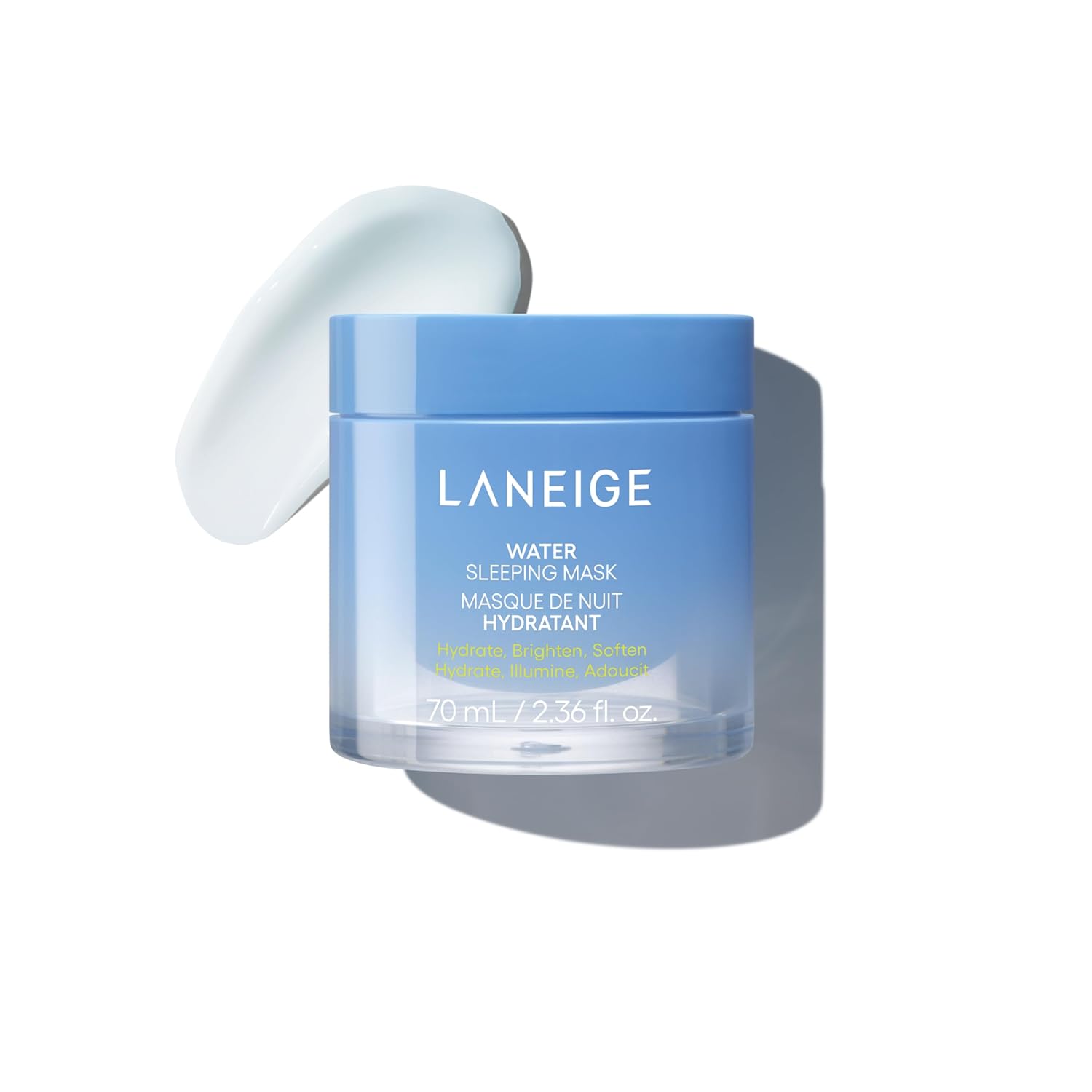
The moisturizer seals in everything you've applied and creates the final barrier that keeps your skin hydrated throughout the day or overnight. The Laneige Water Sleeping Mask is technically a sleeping mask but works brilliantly as a daytime moisturizer in smaller amounts. It contains Hydro Ionized Mineral Water and a sleeping pack formula that locks moisture against the skin surface for hours.
Use a coin-sized amount in the morning, and a slightly larger application at night when your skin is in repair mode.
Morning: small coin-sized amount, patted gently. Night: slightly more generous, as a true sleeping mask. Wake up with noticeably plumper skin.
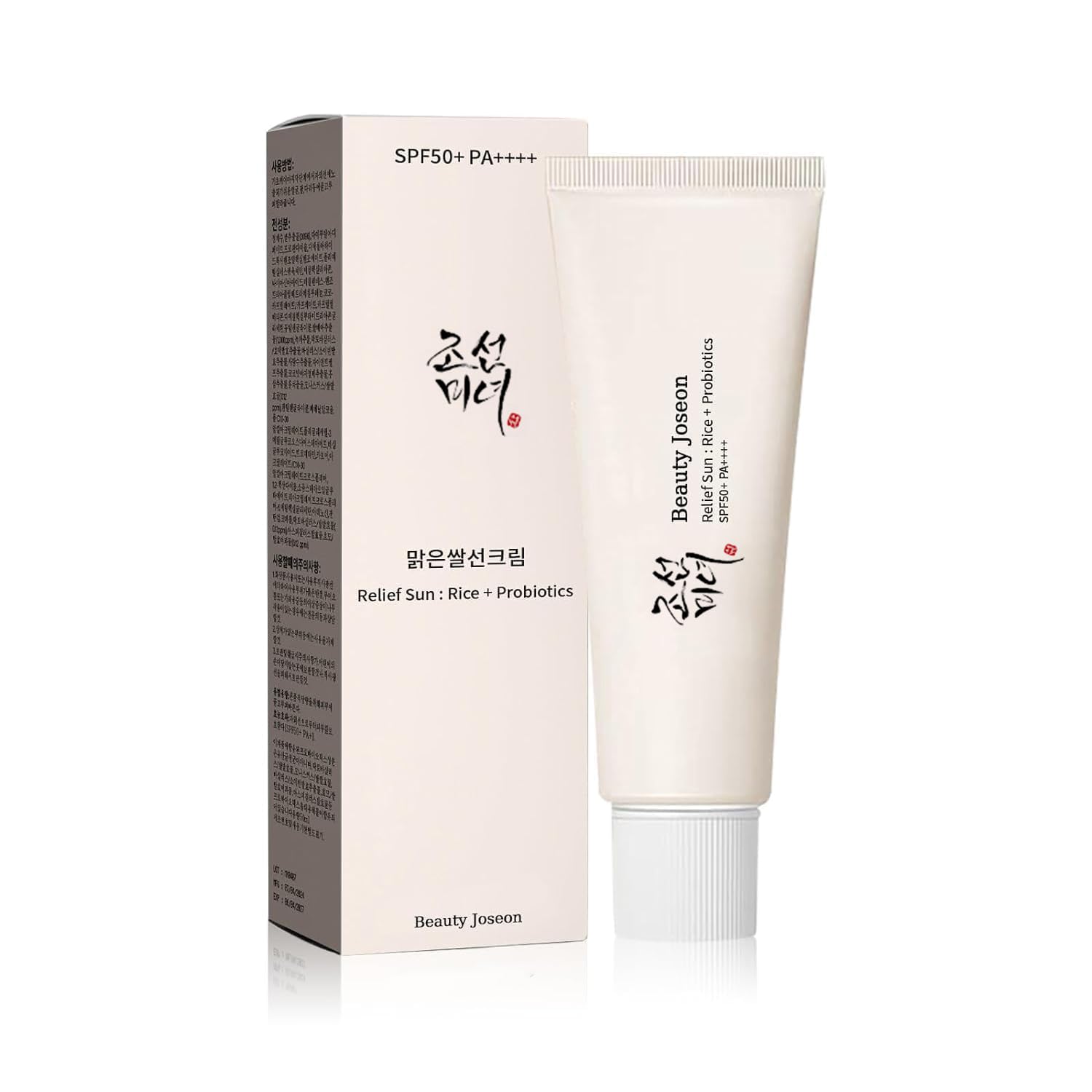
Here's the glass skin truth nobody talks about: UV damage is the #1 destroyer of the skin qualities that create glass skin. Sun exposure breaks down collagen, creates hyperpigmentation, enlarges pores, and dehydrates skin. Everything else in this routine is fighting a losing battle without SPF. The Beauty of Joseon Relief Sun is the SPF that finally makes people want to wear sunscreen — it feels like nothing, leaves zero cast, and actually improves skin over time.
Apply generously as the last step every morning. Reapply every 2 hours in direct sun. This is non-negotiable for glass skin.